
Storm Restoration Services for Property Safety
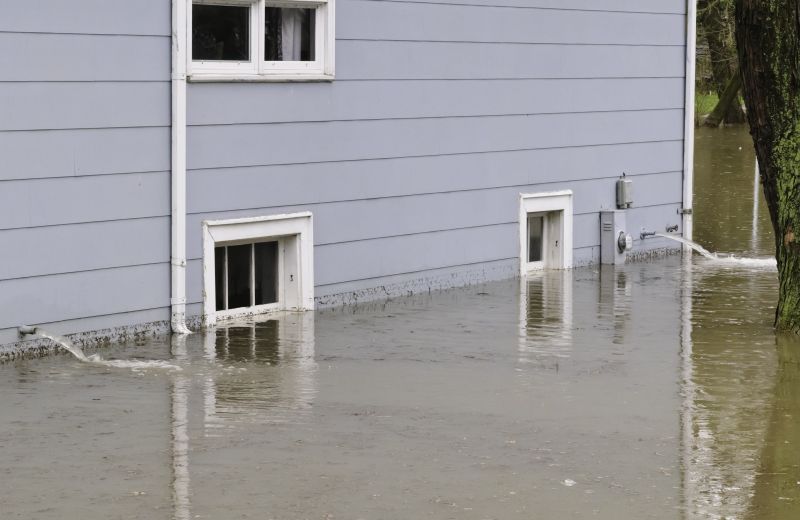
Timely assessment after storms ensures accurate damage evaluation and planning.
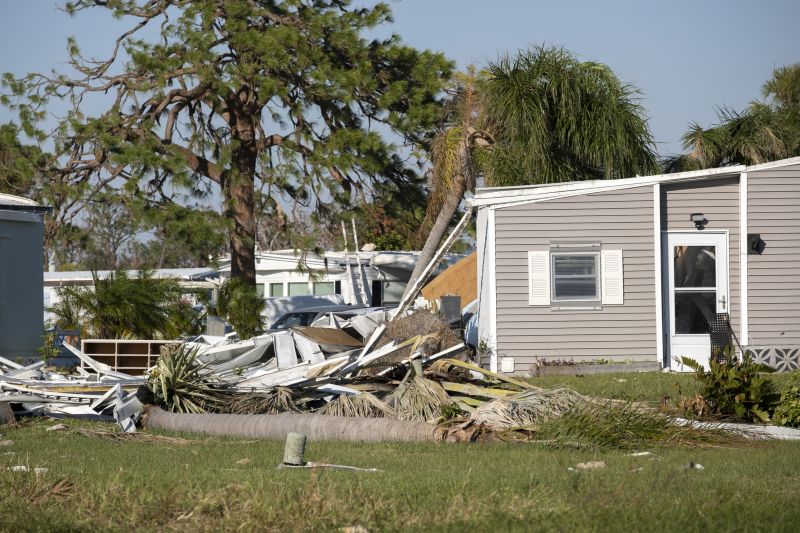
Restorations performed promptly after storms can prevent further deterioration.

Certain seasons offer more favorable conditions for effective storm restorations.
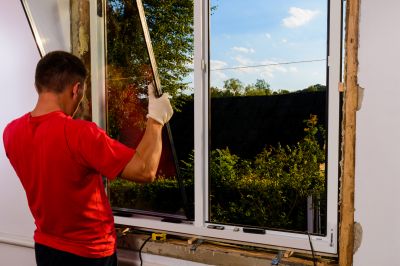
Ways to make Storm Restorations work in tight or awkward layouts.

Popular materials for Storm Restorations and why they hold up over time.
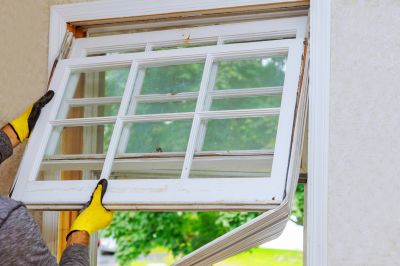
Simple add-ons that improve Storm Restorations without blowing the budget.

High-end options that actually feel worth it for Storm Restorations.
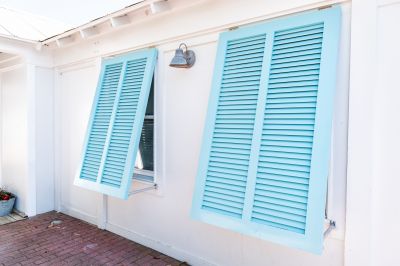
Finishes and colors that play nicely with Storm Restorations.
Storm restorations involve repairing and restoring structures damaged by severe weather events such as high winds, heavy rain, and hail. These services are critical in maintaining the integrity and safety of properties affected by storms. The timing of restoration work can significantly influence the effectiveness and longevity of repairs. Acting promptly after a storm can prevent secondary damage, mold growth, and structural issues.
Restorations are most effective when performed during seasons with stable weather conditions, reducing delays caused by rain or wind.
In Long Beach, storm season typically peaks during late fall and winter, making early planning essential.
Scheduling restorations before storm seasons can ensure properties are prepared and resilient against future events.
Postponing storm repairs can lead to increased damage, higher costs, and extended recovery times.
| Season | Advantages | Challenges |
|---|---|---|
| Spring | Moderate weather, good for repairs | Unpredictable spring storms |
| Summer | Longer daylight hours | Potential for summer storms and heat |
| Fall | Preparation for winter storms | Limited window before winter weather |
| Winter | Fewer storms, stable conditions | Rain and cold can delay work |
Understanding seasonal weather patterns helps determine the optimal timing for storm restorations. Performing repairs during periods of stable weather can improve work quality and reduce delays. Early intervention after storm events minimizes secondary damage and accelerates recovery.
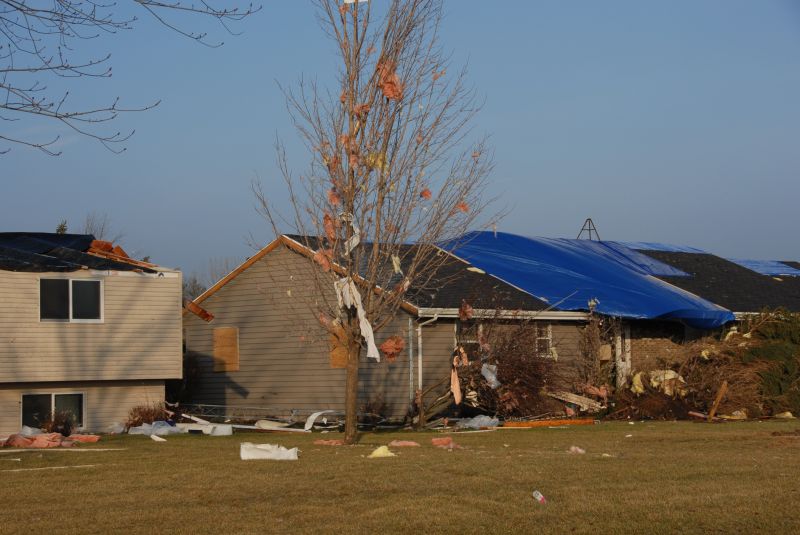
Restoring roofs, siding, and windows damaged by storms to ensure safety and structural integrity.
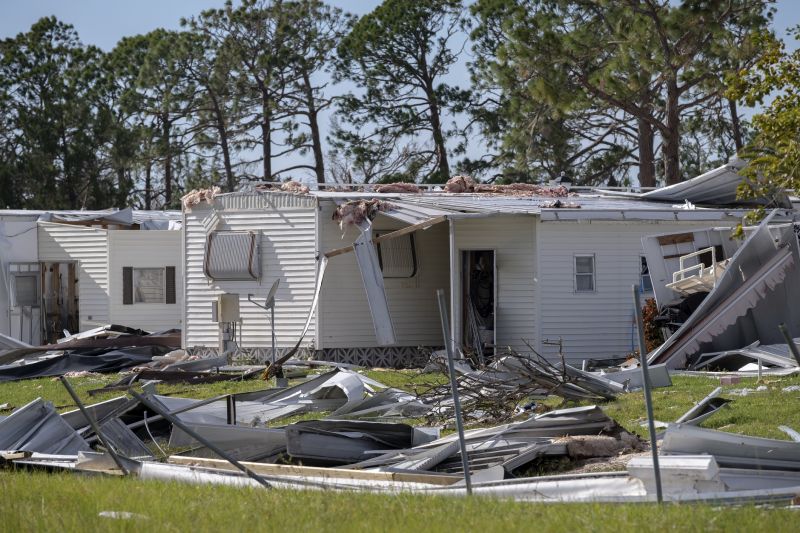
Rapid response teams provide urgent repairs to minimize damage and secure properties.
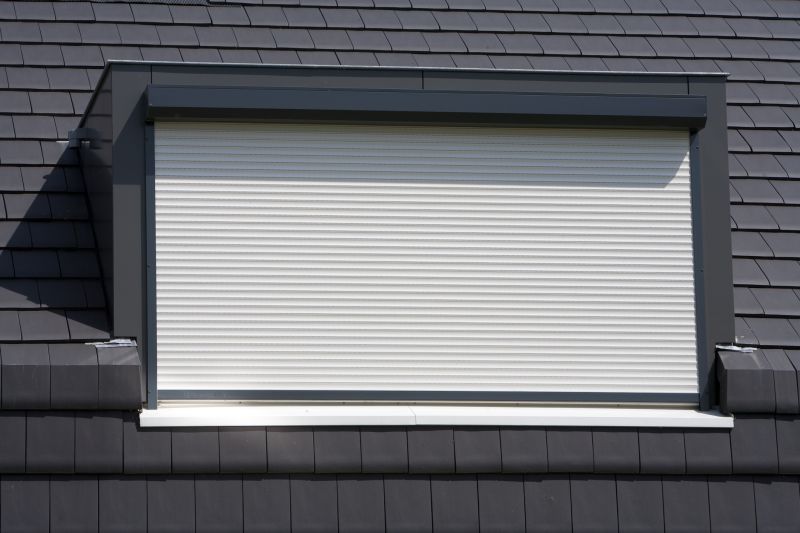
Utilizing durable materials during restorations to withstand future storms.
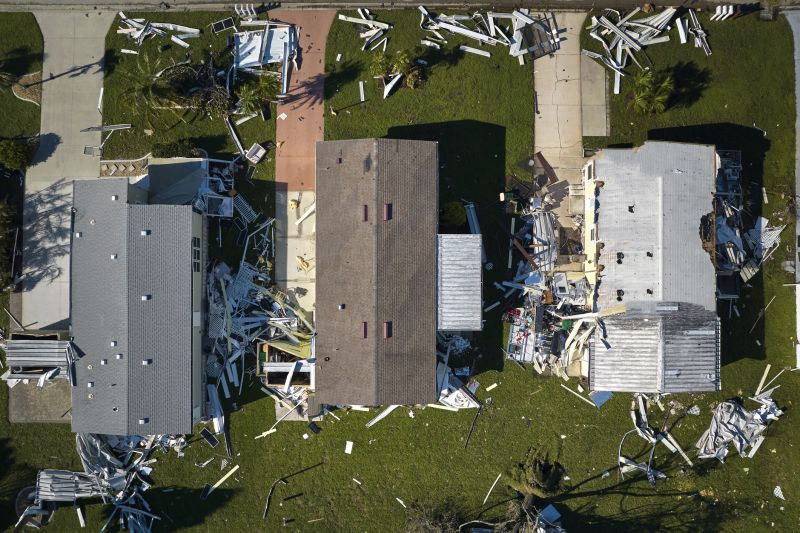
Regular inspections help identify vulnerabilities before storm season begins.

Little measurements that prevent headaches on Storm Restorations day.
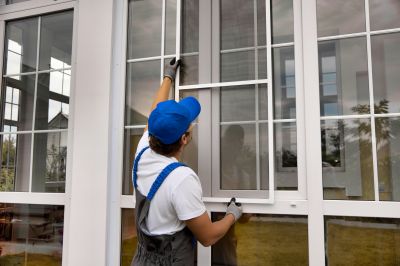
A 60-second routine that keeps Storm Restorations looking new.
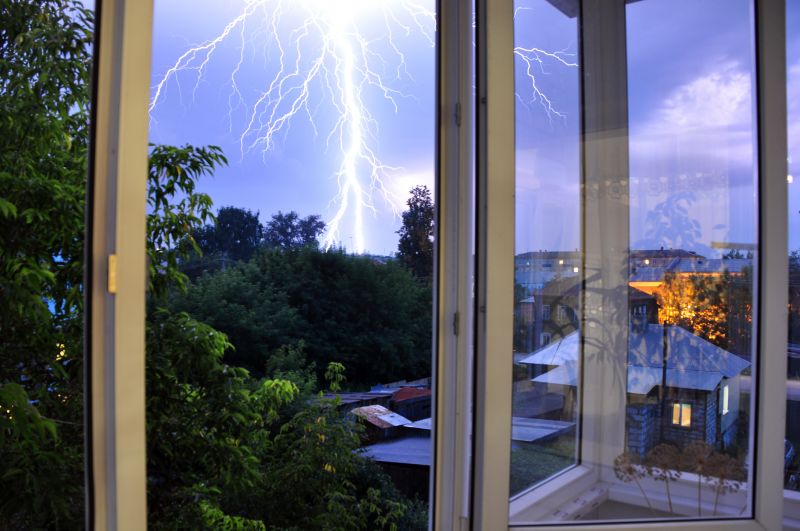
A frequent mistake in Storm Restorations and how to dodge it.

Small tweaks to make Storm Restorations safer and easier to use.
Effective storm restorations require timely action, appropriate materials, and strategic planning. Properly scheduled repairs and maintenance can enhance resilience against future weather events, reducing long-term costs and damage risks.
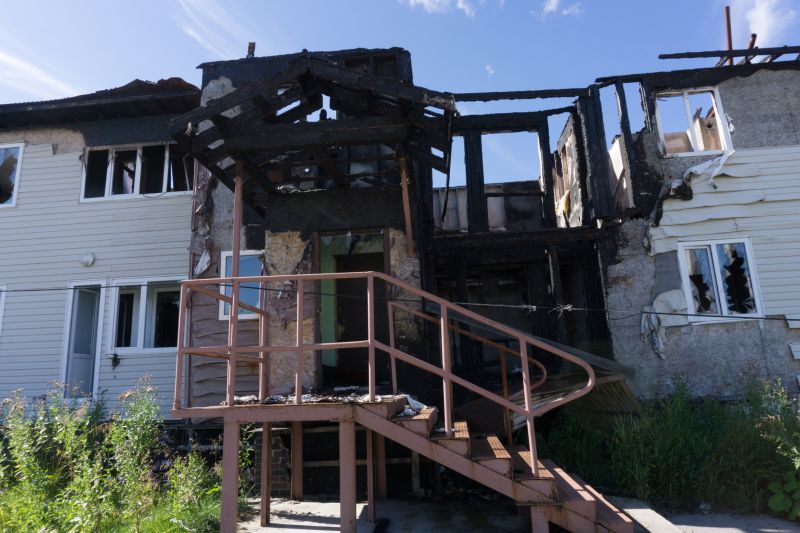
Visual evidence of property improvements following storm damage repairs.
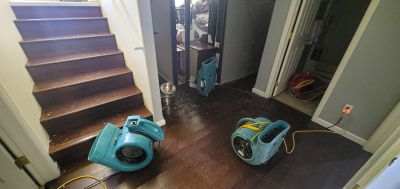
Specialized tools and machinery used in storm damage repairs.
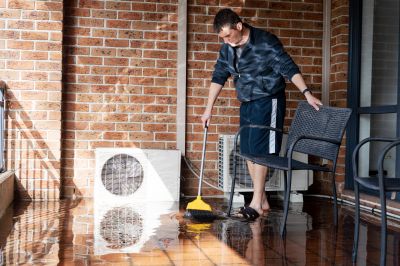
Skilled professionals restoring properties after storm events.
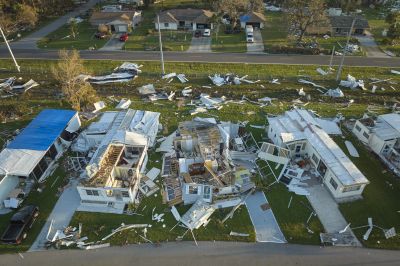
Detailed assessments to determine scope and priorities of repairs.

Lower-waste or water-saving choices for Storm Restorations.

The short, realistic tool list for quality Storm Restorations.
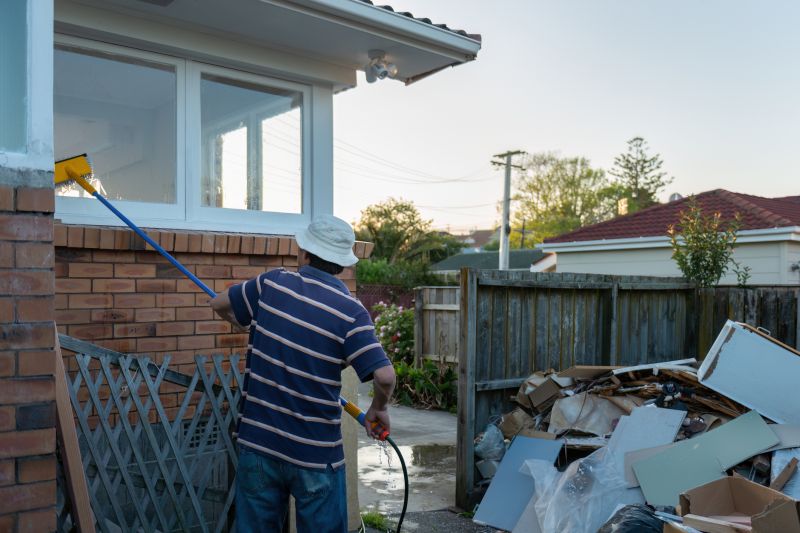
Rough timing from prep to clean-up for Storm Restorations.
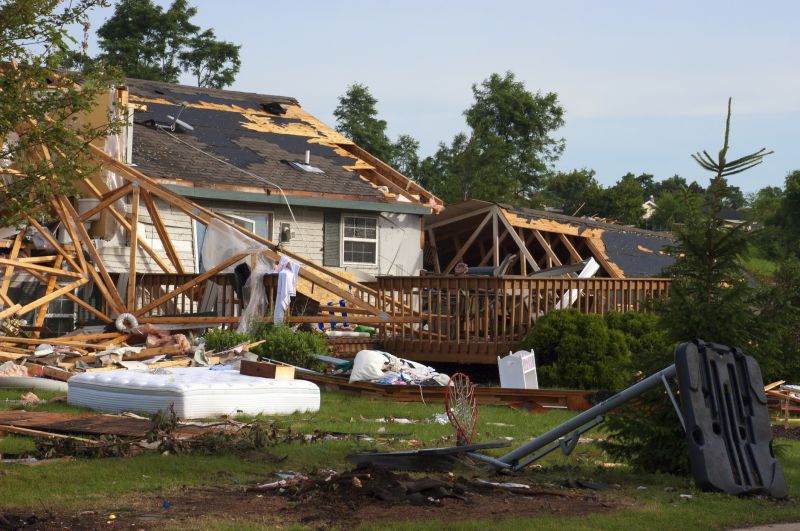
Quick checks and paperwork to keep after Storm Restorations.
Filling out a contact form can provide more information on scheduling storm restorations. Early engagement ensures timely repairs, reducing the risk of secondary damage and supporting property resilience.