
Favorite Products For Storm Damage Restoration Projects
Identify the most favored tools and supplies that help restore properties efficiently after severe weather events.
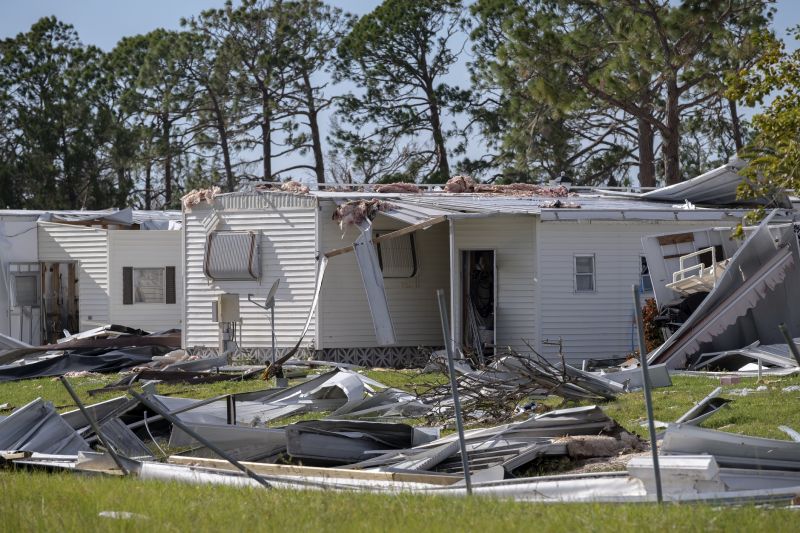 In the aftermath of storm events, restoring the integrity and safety of a property becomes a top priority. Effective storm restoration involves a comprehensive approach that addresses damage to roofing, siding, windows, and structural components. The right selection of products can facilitate a smoother restoration process, helping property owners and contractors to secure buildings quickly and efficiently. From durable protective coverings to specialized repair materials, the market offers a wide array of options tailored to different needs and budgets.
Top Overall Option
Heavy-Duty Storm Protection Tarp
A versatile and durable tarp designed to provide immediate cover for damaged roofs, windows, and walls. Crafted from reinforced materials, it offers reliable weather resistance and can be secured easily to adapt to various repair needs. Ideal for quick deployment during storm aftermaths, it helps prevent further damage and facilitates ongoing restoration efforts.
Types of Products For Storm Restorations
Impact-Resistant Window Films
Films designed to reinforce windows against impacts and reduce shattering during storms, providing added security and protection.
Storm-Resistant Shutters
Hurricane shutters and panels that safeguard windows from debris and high winds, available in various styles for different property types.
Heavy-Duty Tarps
Reinforced tarps suitable for covering damaged roofs and walls, offering quick and effective temporary protection.
Roof Sealants and Patching Compounds
Specialized sealants and patches formulated to repair leaks and minor roof damages, helping to maintain weatherproofing.
Impact-Resistant Doors
Doors constructed with reinforced materials to withstand high winds and flying debris, enhancing structural safety.
Structural Reinforcement Materials
Products such as braces and supports designed to strengthen weakened structures after storm damage.
Portable Generators
Reliable power sources that support restoration work when the main power supply is disrupted.
Flood Barriers and Sandbags
Barrier systems to prevent floodwater intrusion, crucial in coastal areas prone to storm surges.
Impact-Resistant Siding
Exterior siding options that resist impacts and reduce damage from flying debris during storms.
Emergency Lighting
Portable lighting solutions to ensure visibility during power outages and ongoing repair work.
Weatherproof Sealants
Sealants formulated to provide waterproofing and sealing for cracks and joints affected by storm damage.
Debris Removal Tools
Equipment such as heavy-duty brooms, shovels, and debris chutes to facilitate cleanup after storms.
Roof Ventilation Products
Vents and fans that help restore proper airflow and reduce moisture buildup within structures.
Structural Bracing and Supports
Temporary supports to stabilize compromised structures during repairs.
Water Extraction Equipment
Industrial-grade pumps and wet/dry vacuums for removing floodwater efficiently.
Fire and Smoke Damage Products
Cleaning and restoration supplies tailored for post-storm fire and smoke damage mitigation.
Popular Choices
Widely used for temporary coverage of roof and wall damages, offering quick protection against weather elements.
Popular for enhancing window durability and safety during storms.
Commonly installed for long-term protection of vulnerable windows.
Frequently deployed in flood-prone areas to prevent water intrusion.
Essential for powering tools and lighting during restoration in power outages.
Chosen for its ability to withstand debris impacts and reduce exterior damage.
Commonly used for quick fixes to leaks and minor damages.
Popular for ensuring safety and visibility during restoration work.
Frequently selected for floodwater removal in storm-affected areas.
Often installed to improve overall structural resilience.
Essential for clearing storm debris efficiently.
Commonly used to seal cracks and joints after storm damage.
Popular for added security and damage prevention.
Often utilized to stabilize compromised structures during repairs.
Used to restore proper ventilation and reduce moisture buildup.
Chosen for post-storm fire damage mitigation.
Safety and durability are paramount when choosing storm restoration products. Items such as heavy-duty tarps provide immediate cover for damaged areas, preventing further weather-related harm. Reinforcement materials like storm-resistant window films and impact-resistant shutters can help mitigate future risks. Repair products like sealants, adhesives, and patching compounds are essential for addressing leaks and minor damages, ensuring the structure maintains its integrity during and after repairs. Additionally, specialized tools and equipment such as portable generators and lighting can support ongoing restoration efforts, especially in areas where power outages are common.
The selection process should consider the specific type of damage, the extent of the storm impact, and the local climate conditions. Proper planning and choosing appropriate products can reduce repair times and improve the overall safety and resilience of the property. Whether dealing with minor repairs or extensive restoration, having a well-stocked inventory of versatile and reliable products can make a significant difference in the efficiency and effectiveness of storm recovery efforts. Long Beach, CA, with its coastal exposure, benefits from a range of products designed to withstand harsh weather conditions and facilitate swift restoration after storms.
Key Buying Considerations
- Assess the specific damage caused by the storm to determine appropriate product types.
- Consider the durability and weather resistance of materials to ensure long-lasting protection.
- Evaluate the compatibility of products with existing structures and materials.
- Determine the ease of installation and whether professional assistance is needed.
- Check product dimensions and coverage areas to match the scope of restoration work.
- Review the safety features and certifications to ensure compliance with standards.
- Factor in the local climate conditions, such as coastal exposure and humidity levels.
- Consider the availability of replacement parts and accessories for ongoing maintenance.
- Evaluate the portability and storage options for temporary or emergency-use products.
- Look into warranty and support options offered by suppliers for peace of mind.
- Prioritize products that facilitate quick deployment and effective protection during emergencies.
- Assess the environmental conditions that could impact product performance over time.
- Compare costs relative to the quality and durability of the products to ensure value.
- Verify product compatibility with other restoration tools and equipment.
- Read customer reviews and expert recommendations for insights on product performance.